

1. Why consider MBBS in Mauritius?
Mauritius is a small island nation in the Indian Ocean with a stable, safe environment, English-friendly campuses and internationally recognized medical programmes. For Indian students it offers a short flight, cultural familiarity, lower living costs than many Western options, and straightforward admission processes in several medical colleges that run English-medium MBBS programmes.
Top reasons Indian students choose Mauritius:
English as the medium in international MBBS programmes (classrooms, labs and many academic texts are in English).
Recognised colleges listed in global directories; clinical exposure through local hospitals.
Affordable fees compared with many private colleges in India and some other overseas destinations — especially when you factor in living costs and absence of capitation/donations.
Safety & proximity to India — easier travel, family visits and lower cultural shock than far-off destinations.
Simple student services — universities tend to have dedicated international student offices and support.
2. Accreditation & recognition — what matters
When you pick any overseas medical college, the most important checks are: (a) Is the college recognized by its national medical regulator? (b) Is it listed in authoritative directories (World Directory of Medical Schools / WDOMS), and (c) Will Indian regulators accept the degree for licensing (FMGE / NExT)?
The two primary medical colleges hosting international MBBS programmes — Anna Medical College and Sir Seewoosagur Ramgoolam (SSR) Medical College — are registered with the Medical Council of Mauritius and appear in the World Directory of Medical Schools. This listing is essential for global recognition.
Indian students who wish to practice in India after MBBS abroad must comply with NMC (National Medical Commission) rules — NEET qualification before joining, course duration and internship rules, and clearance of the FMGE / NExT screening when they return. See NMC guidance for “students to study abroad.”
3. NMC rules & Indian eligibility
If your goal is to practice in India after foreign MBBS, the NMC rules are the anchor. They determine which colleges are safe choices and what you must do after you graduate.
Key points for Indian students (NMC guidance):
NEET (UG) is mandatory — you must qualify NEET before enrolling for MBBS abroad; the NEET score is valid for the period specified by NMC. This is non-negotiable for new admissions from 2018 onwards.
Course length & internship — NMC expects MBBS abroad programmes to include a sufficient study period (generally ≥54 months) plus a one-year internship (or equivalent) performed at the same university/hospital as per NMC’s guidelines.
Licensing on return — after completing MBBS abroad you must clear the Foreign Medical Graduates Examination (FMGE) or the new NExT (as per updated regulations) to register and practice in India.
Meer Education ensures that the Mauritius college you choose satisfies these NMC checks — especially course length and internship availability — so you can sit for FMGE/NExT later without complications.
4. The NMC-approved medical colleges in Mauritius — details, fees & links
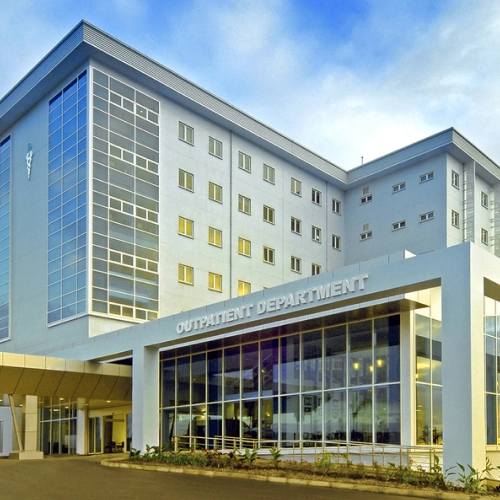
Mauritius’s medical education for international students is concentrated primarily in two institutions that are commonly recommended for MBBS study: Anna Medical College and Sir Seewoosagur Ramgoolam (SSR) Medical College. Below we give verified details, fee snapshots and official links so you can verify at source.
4.1 Anna Medical College (AMC) — overview, fees
Anna Medical College (Anna Medical College & Research Centre / Anna Medical College Mauritius) offers a 5-year MBBS programme (plus internship arrangements) and is registered with the Medical Council of Mauritius and listed in WDOMS. The college emphasises small-group teaching and clinical exposure.
Fee snapshot (published/official):
Tuition per term/year (published): MUR 161,000 per term (paid annually; 10 terms total for 5 years) — the college’s fees page lists tuition, lodging and other indicative amounts. Converted to Indian Rupees the annual tuition varies with exchange rate; many recent aggregators list per-semester or per-year rupee equivalents in the ₹3–4 lakh annual range depending on exchange rates.
Notes: Anna Medical College publicly states that its MBBS programme is recognized by the Medical Council of Mauritius and it lists WHO/WDOMS as listings — a good sign when you cross-check with WDOMS and national regulator. Meer Education helps students validate the current intake, exact fee in INR and the scholarship/discount policies (if any).
4.2 Sir Seewoosagur Ramgoolam (SSR) Medical College — overview, fees, link
Fee snapshot (published/estimate):
Many college pages and reputable aggregators list SSR’s tuition around USD 7,000–10,000 per year (approx. USD 7k = ~INR 6 lakh/year depending on conversion), with total course costs varying by published packages and extras (registration fees, hostel, mess). Example published numbers: US$8,000 per year in some official pages (total ~US$40,000 for 5 years) — confirm with the college for the intake and exact year breakdown.
Notes: SSR’s course durations and total costs differ across published sources; always request the official fee sheet and payment plan from the college or via Meer Education before making payments.
4.3 Other university ties & WDOMS listing
The World Directory of Medical Schools (WDOMS) verifies the existence and operational status of colleges; Anna and SSR appear on WDOMS — part of the verification checklist you should use before applying.
5. Eligibility criteria — who can apply?
Most Mauritius MBBS programmes aimed at international students require:
Minimum academic & regulatory criteria (typical):
10+2 (or equivalent) with Physics, Chemistry and Biology as core subjects.
Minimum aggregate in PCB — many colleges expect at least 50% aggregate for general category (some variations for reserved categories or specific intakes). Confirm the exact % with the college.
NEET (UG): Indian students must hold a valid NEET score as per NMC rules; always keep a copy of your NEET score and certificate when applying abroad.
Age: Usually 17 years or above by December 31 of the admission year.
English proficiency: Most colleges teach in English. If a college demands English test proof (IELTS/TOEFL), Meer Education will guide you on acceptable scores — but generally, passing 10+2 with English is adequate for Mauritius MBBS entries.
Passport & clearances: Valid passport, medical fitness certificate, police/character certificate as required.
Meer Education validates your documents before forwarding them to the college and ensures you meet the specific intake criteria for that academic session.
6. How to apply — step-by-step
Applying for MBBS in Mauritius is straightforward but requires meticulous documentation and timing. Here’s a practical step-by-step process that Meer Education follows with students.
Step 0 — Quick checklist before you start
NEET qualification (scanned scorecard)
10th and 12th mark sheets & passing certificates (scanned)
Passport (valid for at least 6–12 months)
Passport-size photos, ID proof, birth certificate
Medical fitness report (if required), police verification, bank statements (for visa/funding proof)
Step 1 — Free counselling & college shortlisting (with Meer Education)
We review your academic profile, budget and career goals. Based on this we shortlist 1–3 colleges (typically Anna Medical College and SSR are the two prime options). We explain pros/cons, fee plans and living costs.
Step 2 — Application submission
Fill the college’s online application form (or use the authorised agent form).
Upload documents (10th/12th, NEET, passport).
Pay the official application/processing fee (if required).
Step 3 — Offer letter / admission letter
After evaluation, the college issues a provisional offer/admission letter. This usually requires a seat booking deposit (amount & refund policy vary). Meer Education reviews the offer letter terms with you before you pay.
Step 4 — Student visa & immigration paperwork
Once seat is confirmed, apply for a Mauritius student visa (visa rules vary by nationality; Indian students usually require the college invitation letter).
Meer Education helps prepare the visa packet (admission letter, passport copy, bank statements, medical certificates, police verification).
Step 5 — Travel & pre-departure
Book flights (we can help get student fares), arrange medical insurance, and plan airport pickup.
Pre-departure briefing covers weather, culture, packing list, initial funds and arrival steps.
Step 6 — Arrival, registration & orientation
Complete university registration, open a local bank account (if needed), arrange for hostel/food.
Meer Education’s local partners/representatives assist students in first week (airport pickup, initial grocery/phone SIM setup and orientation).
Step 7 — Start classes and stay connected
Attend classes, follow academic calendar and ensure you track exam registrations. Meer Education remains available for queries until you settle.
7. Packages we offer (admission + visa + travel + stay) — sample packages & pricing
Package A — Essentials Admission Package (Budget-friendly)
Best for: Students who want application support and basic visa documentation, and will handle travel themselves.
Includes:
Free counselling & university shortlist
Application form filling & document pre-check
Official offer letter follow-up, seat booking assistance
Visa documentation checklist & sample forms
Post-admission email support for 3 months
Indicative price (service fee only): ₹25,000 – ₹40,000 (plus college fees and government fees)
Package B — Visa & Pre-Departure Plus
Best for: Students who want end-to-end paperwork and visa help.
Includes everything in Package A plus:
Full visa application assistance & appointment booking
Medical check guidance & police verification assistance
Pack list, pre-departure orientation & Covid/health updates
Airport pickup arrangement (first day)
Indicative price (service fee only): ₹45,000 – ₹70,000
Package C — Turnkey Student Move (Full Service)
Best for: Parents who prefer Meer Education to manage the full admission-to-settle flow.
Includes everything in B plus:
Seat payment coordination & fee transfer guidance
Flight booking (student fare assistance) and airport pickup & drop
First-month hostel booking & local SIM support
6 months post-arrival support and local emergency contact
Indicative price (service fee only): ₹80,000 – ₹1,50,000 (varies with services)
Package D — Premium (Assured Seat + Fast Track)
Best for: Students needing urgent seat confirmation with fast-track admission.
Includes everything in C plus:
Priority processing with partner colleges (subject to seat availability)
Fast visa follow-up, priority airport services & customised accommodation
Indicative price (service fee only): ₹1,50,000+
Note about fees: College tuition & official fees are separate and paid directly to the college (or through Meer Education’s verified payment channels if you choose). Package prices above are service fees for the consultancy/assistance and do not include the college tuition, hostels or embassy fees.
Meer Education issues a detailed invoice with payment milestones and a clear refund/cancellation policy before any money changes hands.
8. Student life in Mauritius — what to expect
Mauritius is known for being welcoming and safe. Here’s the practical lowdown:
Accommodation & Food:
University hostels and nearby rented apartments are available. Hostels usually provide shared rooms, mess and basic facilities. Indian food options are common near student hubs. Anna and SSR campuses typically help students find food/hostel arrangements at the start of the session.
Climate & Lifestyle:
Tropical island climate (warm and humid). Dress accordingly and carry sun protection. Students find Mauritius comfortable compared with high-altitude destinations.
Healthcare & Safety:
Good hospitals and healthcare infrastructure in major cities; student medical insurance is recommended. Mauritius is generally safe but always follow normal student safety practices.
Student communities:
Large international student cohorts; Indian student communities help new students settle and find Indian groceries and cultural connections.
Transport:
Public transport exists, and university shuttles are common. Meer Education’s local partners can help with initial navigation.
9. Internship, clinical training & practicing medicine after Mauritius MBBS
Clinical exposure and internship are the two crucial elements that determine how smoothly you can transition from student to doctor — especially if your long-term target is to practise in India.
Key items:
Internship requirement: Many Mauritius MBBS programmes include an internship phase (check whether the internship is one full year and whether it is completed at the university’s own affiliated hospitals — this matters for NMC acceptance). Anna Medical College explicitly outlines internship support and pathways to meet NMC requirements.
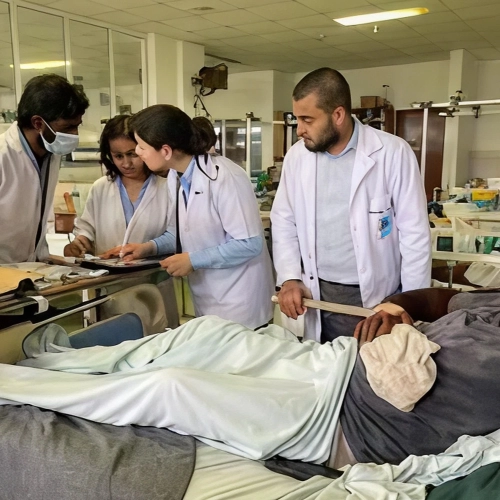
Clinical exposure: Evaluate how much patient interaction is available in years 3–5. Meer Education will share sample timetables and hospital affiliation details on request.
Preparing for FMGE/NExT: Institute a parallel plan for FMGE/NExT prep — study schedules, coaching and resources — since passing this exam is required to get Indian registration. Meer Education provides counselling and can recommend coaching partners.
10. Documentation & attestation — what you will need
When you apply and later return for licensing, correct documentation and attestation matter.
Typical document needs (during admission & later):
Original degree / provisional certificate (on graduation) — keep secured.
Mark sheets & transcripts, passport & photo ID, birth certificate.
Medical fitness certificate and police (character) certificate.
If needed for job/visa or immigration, documents may need state HRD verification and MEA apostille depending on the receiving country; Mauritius internal use typically requires properly attested entrance docs for visa admission. Meer Education guides you in every step.
11. Common myths & real concerns
Let’s tackle the worries parents and students often voice.
Myth 1 — “Foreign MBBS is worthless in India.”
Reality: If you choose a recognised college, complete the required internship and pass FMGE/NExT, your foreign MBBS is valid for Indian practice. The key is choosing the right college and course that matches NMC standards.
Myth 2 — “Language barrier will block clinical training.”
Reality: Most Mauritius programmes for international students teach in English; still some local language usage in clinics is possible — but not a deal-breaker. Colleges usually run basic local language support if needed.
Concern — “What about FMGE pass rates?”
Reality: FMGE pass percentages vary by cohort and by the preparation students undertake. Better selection of college + robust FMGE/NExT prep increases your chances dramatically. Meer Education advises a dual plan: succeed academically in the MBBS course + prepare for FMGE/NExT from final year onwards.
12. Pricing & payment safety — how to protect yourself
Large international payments deserve caution.
Best practices:
Pay only to the college bank account or via authorised channels (not to random personal accounts). Request a scanned copy of the college’s receipt for every payment.
Get a written fee structure & refund policy before you transfer. Colleges usually issue an admission invoice and then a formal receipt on payment.
Beware of agents who ask for full cash in dubious ways. Meer Education issues formal service agreements, receipts and provides tracked payment instructions. We recommend using bank transfer or secure remittance options with traceable records.
13. How Meer Education supports you
Meer Education’s approach is end-to-end:
Pre-admission
Free profile review, college shortlisting, step-by-step documentation checklist.
Help with application, offer letter, seat booking and secure payment guidance.
Visa & travel
Student visa documentation, embassy follow-up, medical check guidance and pre-departure briefing.
Assistance with flight booking, airport pickup and host family/hostel coordination.
Post-arrival
Local support for first-week settling, bank/telephone/registration help and 6-month check-ins.
FMGE/NExT counselling and coaching partner referrals.
We stand by students until they are settled and confident about the course and future path.
14. FAQs — Most asked questions
Here are the most common questions we get — short, clear answers.
Q1 — Are Anna Medical College and SSR Medical College recognised for Indian registration?
A: Both colleges are listed in global directories and are registered with the Medical Council of Mauritius; Indian students must ensure the programme meets NMC norms and pass FMGE/NExT on return. Meer Education verifies NMC-compatibility before advising a student.
Q2 — Is NEET mandatory for MBBS in Mauritius?
A: Yes — Indian students must qualify NEET (UG) before starting MBBS abroad as per NMC guidance. Keep your NEET certificate handy during admission.
Q3 — What is the approximate total fee (tuition + living)?
A: Tuition varies by college and year. Recent published ranges (indicative): Anna Medical College — annual tuition published in Mauritian rupees per term (MUR 161,000/term; check official site for INR conversion). SSR — many sources list USD 7k–10k per year; always confirm with the college for the intake year. Expect a total range of roughly INR 18–40 lakhs across 5–6 years depending on the college, living style and currency.
Q4 — How long is the MBBS programme in Mauritius?
A: Usually the MBBS is a 5-year academic programme plus internship arrangements (confirm with the college — SSR sometimes lists 5.5 including internship; Anna lists 5 years + internship support). Meer Education ensures the programme length matches NMC requirements.
Q5 — Can I work part-time while studying MBBS in Mauritius?
A: Medical students typically focus on full-time study and clinical rotations — part-time work is generally not advisable. Check student visa work restrictions with the Mauritius authorities.
Q6 — Are there scholarships?
A: Some colleges may offer merit scholarships or early-payment discounts; these are limited. Meer Education can check scholarship eligibility during counselling.
Q7 — What happens after graduation for Indian students?
A: Graduate → return to India → complete mandatory one-year internship if not done in Mauritius (NMC rules apply) → pass FMGE/NExT → register with NMC → practice in India or pursue PG.
Q8 — How secure are payments to the college?
A: Always use the official college bank details (published on their site) or authorised payment gateways. Meer Education provides documented receipts and payment confirmations for every transaction.
Q9 — Does Mauritius have large Indian student communities?
A: Yes — many Indian students attend the island’s medical colleges; this helps with food, cultural comfort and peer groups.
Q10 — Can Meer Education arrange an on-site visit or campus tour?
A: Yes — we organise campus visits and university meetings where feasible, or virtual tours if travel is not possible.
15. Practical checklist — what to do next
If you’re serious about MBBS in Mauritius, follow this checklist — it will fast-track you.
Confirm NEET qualification and save a digital copy of the NEET scorecard.
Shortlist college(s): Anna Medical College and SSR are the two widely recommended options — ask Meer Education for the latest intake status.
Gather docs: 10th/12th certificates, passport, photos, NEET, birth certificate, medical fitness.
Apply via official college page or through Meer Education (we verify the official link and process).
Get offer letter → review terms → pay seat booking via secure channel → proceed to visa.
Pre-departure: insurance, travel, local host contact, bank/phone arrangements.
On arrival: register at college, collect timetable and join orientation.
16. Final verdict — is MBBS in Mauritius right for you?
MBBS in Mauritius can be a disciplined, practical and relatively affordable route to a medical degree — provided you pick a recognised college, prepare for FMGE/NExT, and manage finances responsibly. Anna Medical College and SSR Medical College are two principal options on the island with recent international students and WDOMS listings; both need careful cross-checking each year for fee and intake changes.