-
Pursuing Medical Education in China is a powerful step towards a global medical career — if you make informed choices. With its English-medium MBBS programmes, affordable costs, modern infrastructure and growing recognition, China offers a competitive alternative for Indian students aiming for a doctor's path.
We help you navigate the complexities of selecting the right university, complete documentation, manage travel, support you after arrival and guide you till you’re ready for your medical career — whether in India or abroad.
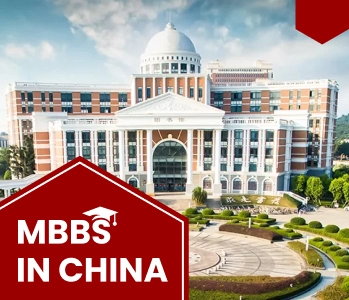
Top Choice
Other Choices


Medical Education in China – Your Gateway to Global Medical Career Through Meer Education and Travel Solutions
Choosing where to pursue your MBBS is a major decision. With rising competition in India and limited seats, many Indian students are looking beyond borders. China has emerged as one of the key destinations for Indian aspirants seeking Medical Education in China — offering quality education, low cost, and internationally recognized degrees. With guidance from Meer Education and Travel Solutions, your journey to study MBBS in China becomes smoother, safer and more transparent.
In this extensive guide we’ll cover: why China, universities, eligibility, fee structure, recognition, student life, disadvantages, how Meer Education helps, and FAQs — so you can make an informed decision.
1. Why Choose China for Medical Education?
China offers a compelling option for Indian students due to several factors:
-
A large number of medical universities with English-medium MBBS programmes.
-
Tuition and living costs significantly lower compared to private medical colleges in India or Western countries.
-
Globally recognised universities by organisations such as the World Health Organization (WHO), and some by the National Medical Commission (NMC) of India — for those carefully selected.
-
Modern infrastructure, large hospitals for clinical exposure, and a multicultural environment. Many Indian students already studying there gives peer-comfort.
-
English is medium of instruction in many medical colleges which reduces language barriers for Indian students.
With Meer Education and Travel Solutions by your side, you can tap into all these benefits with proper counselling, university shortlisting and safe travel/settlement support.
2. Top Medical Universities and Recognitions in China
Choosing the right university is vital when pursuing MBBS in China. Not all institutions are equal — some may not be recognised by Indian medical council or offer English medium, or may have issues with internships or clinical exposure.
Some key points to check:
-
The university must be recognised by WHO, Chinese Ministry of Education (MOE) and ideally listed by NMC for Indian practice.
-
English-medium MBBS programmes: many universities offer this option.
-
Good clinical exposure and hospital affiliation for internship/practical training.
Example Universities
-
China Medical University (Liaoning) – recognised, English-medium.
-
Nanjing Medical University – one of the NMC-approved list for Indian students.
-
Jilin University – MOE listed and popular for international students.
Recognition Considerations
Even with recognised universities, there are critical aspects Indian students must keep in mind:
-
The Indian NMC has issued warnings about certain Chinese programmes and online-only courses.
-
The UGC also cautioned students about online medical programmes in China.
Meer Education and Travel Solutions guides you to choose only the correct approved universities and avoid unrecognised or risky ones.
3. Eligibility, Course Duration & Curriculum
To study MBBS in China, Indian students must meet certain eligibility criteria and should understand the course structure:
Eligibility Requirements
-
You must have passed 10+2 (or equivalent) with Physics, Chemistry and Biology.
-
Typically at least 50% aggregate marks in PCB (for general category) though individual university criteria may vary.
-
A valid NEET qualification is mandatory for Indian students to be eligible for MBBS abroad and to later practise in India.
-
Age: Usually minimum 17 years old by 31st December of admission year.
Course Duration
-
Most MBBS programmes in China last 5 years of academic study + 1 year internship/practical training (thus 6 years total) for international students.
-
Some universities have 6 years including internship built-in.
Curriculum & Medium
-
The medium of instruction is English in many universities for international students. Some universities may integrate Chinese language training.
-
Curriculum covers pre-clinical, para-clinical and clinical phases similar to Indian medical education, plus additional training. Students often benefit from large hospitals and modern equipment.
Meer Education and Travel Solutions ensures you meet eligibility, select proper intake year, complete documentation, and understand the curriculum fully before you go abroad.
4. Fee Structure, Living Costs & Student Life
One of the major benefits of studying in China is the cost-effectiveness. Indian students often find the total expenses significantly lower than many Western countries or even private Indian medical colleges.
Approximate Fee & Costs
-
Tuition fees: Around 30,000 to 45,000 RMB per year (approx. ₹3-₹5 lakhs/year) for English-medium MBBS in China.
-
Over 6 years – total tuition + internship might cost around ₹18-₹30 lakhs based on university and currency rates.
-
Living costs (hostel, food, transport) vary by city and lifestyle but are generally moderate compared to Western countries.
Student Life
-
Indian students enjoy a multicultural campus life with many peers from India, Nepal, Africa and other countries.
-
English medium instruction helps with adaptation; some basic Mandarin language training is provided for daily life and patient interaction.
-
Hostel and food facilities: Many universities provide student hostels with amenities; Indian food is often available in campus mess or nearby areas.
-
Leisure and cultural experience: China offers rich culture, travel opportunities, modern cities and historical sights.
Meer Education and Travel Solutions helps you plan budget, choose city/university with good cost-living, and prepare you for life abroad — from hostel to local culture.
5. Recognition & Career Opportunities After MBBS in China
A key concern for Indian students is whether an MBBS degree from China will allow them to practice in India or globally.
Recognition for Indian Practice
-
The NMC allows Indian students from recognised foreign universities to appear for the FMGE (Foreign Medical Graduates Examination).
-
It is essential that the chosen Chinese university is on the recognised list and the course is not online-only.
-
Students should verify whether the university is recognised and meets eligibility for Indian licensing.
Global Career Opportunities
-
Many Chinese universities are WHO-listed and recognised by international bodies, enabling graduates to work in other countries post-licensing.
-
Students may choose to enrol for postgraduate studies (MD/MS), work in China, or return to India for practice after licensing.
6. How Meer Education and Travel Solutions Supports You
Navigating an overseas medical education journey can be overwhelming. That’s why Meer Education and Travel Solutions offers end-to-end support for Indian students aspiring for MBBS in China:
Services Include:
-
Free counselling and university shortlisting based on your budget, profile and goals.
-
Assistance in verifying university recognition, medium of instruction, internship & clinical exposure.
-
Help with application process, document submission and admission letter.
-
Visa guidance, travel arrangements, airport pickup, and orientation for China.
-
Accommodation arrangement, local support and student mentor in China.
-
Guidance for licensure exams (FMGE/NExT), Indian practice or global pathways post-MBBS.
-
Cost planning, scholarship/discount options and transparent fee guidance.
With our personalised approach, you don’t feel lost in the foreign system — you arrive ready, supported and oriented.
7. Challenges and Things to Check Before Admission
While China offers many benefits, there are challenges students must understand before committing:
Key Risks / Checks:
-
Ensure university is NMC-recognised for Indian practice. Some universities may advertise, but not all are eligible.
-
Beware of universities offering large number of seats to international students without proper clinical training. Studies show fewer internships/hospitals in some.
-
Language of internship/patient interaction: Many hospitals may require Mandarin language or Chinese proficiency for clinical rotations.
-
Post-COVID/visa/travel restrictions: The NMC warned of travel restrictions for students in China.
-
Financial planning: Though cheaper, total cost (tuition + living) still significant over 5-6 years; return on investment must be considered.
-
Licensing exam pass rates: Some universities report low pass rates in FMGE for Indian students — make your choice carefully.
Meer Education and Travel Solutions helps you do due diligence, pick the right university, understand the risks and prepare you well.
8. Comparison: MBBS in China vs India vs Other Countries
When you compare studying medicine in China versus India or other foreign countries, certain differences become clear:
-
Cost: Private medical colleges in India can cost ₹60-₹90 lakhs or more. In China you may spend ₹18-₹30 lakhs for total course.
-
Donations/Capitation: In India many private MBBS seats demand high donations; in China, many universities admit based on merit/eligibility.
-
Seat availability: India's MBBS seats are limited; foreign universities offer more options for aspirants.
-
Internship & clinical exposure: Indian colleges often guarantee local hospital exposure; in China some universities may have language barrier or limited local hospital links.
-
Recognition & licensing: While Indian degrees automatically let you practise in India, foreign degrees require licensing (FMGE/NExT) — risk factor if university choice is not careful.
-
Cultural and language differences: Studying in China means adapting to new culture, sometimes learning Mandarin, different lifestyle which is both challenge and opportunity.
With Meer Education and Travel Solutions, you get a realistic comparison, transparent advice and help in making the right decision for Study Medicine in China.
9. Student Life, Accommodation & After-Class Support
Beyond academics, student life plays a big role in your overseas journey. Here’s what to expect studying MBBS in China:
Accommodation & Food
-
Most universities have hostels/residential halls for international students, with Indian mess/Indian food available in many cases.
-
Rooms may be shared or single; cost depends on city/university.
-
Students often live on campus for first years, then may move to off-campus with peers.
Cultural Experience & Peer Life
-
Large Indian student community helps in smooth adjustment.
-
Mandarin language basics help in daily life and hospital rounds.
-
China’s rich history, travel opportunities, and modern cities offer memorable experience.
-
Student clubs, sports, recreation zones add to life beyond studies.
Support Services by Meer Education
-
Pre-departure orientation: cultural, academic, travel tips.
-
Local coordinator in China: helps with settling down, registration, initial days.
-
Regular check-in, emergency support, help with internships/hospital linkups.
10. FAQs – Medical Education in China with Meer Education and Travel Solutions
Q1. Is MBBS in China recognised in India?
A: Yes, if you complete MBBS from a university recognised by the NMC of India and meet licensing requirements (i.e., clear FMGE/NExT). Always check that the university is on NMC’s approved list.
Q2. What is the duration of MBBS in China?
A: Usually 5 years of study + 1 year internship (total approx 6 years) for international students.
Q3. What is the fee structure for MBBS in China?
A: Average tuition fees range around 30,000 – 45,000 RMB per year (≈ ₹3–₹5 lakhs). Total cost over 6 years may be around ₹18-₹30 lakhs, depending on university and living cost.
Q4. Is NEET mandatory for Indian students for MBBS in China?
A: Yes. Indian students must qualify NEET (or any applicable domestic eligibility) to be eligible for MBBS abroad and for future practice in India.
Q5. Are all Chinese medical colleges good for Indian students?
A: No. Some colleges may not have sufficient recognition, clinical hospitals, English medium or high pass rate in FMGE. Always verify with expert counsellors.
Q6. Will I need to learn Chinese (Mandarin)?
A: Even though the course is in English, basic Mandarin is usually taught for hospital rounds and daily life. Some internships may require Mandarin. Reddit students mention language barrier in some cases.
Q7. How do I apply with Meer Education and Travel Solutions?
A: Contact our team, get free counselling, shortlist universities, complete application submission, receive admission letter, process visa & travel, and get post-arrival support.
Q8. Can I work in India after MBBS in China?
A: Yes, you can practise in India after clearing the FMGE/NExT exam and fulfilling NMC requirements — provided you studied at a recognised university.
Q9. Are there scholarships available for MBBS in China?
A: Some universities offer merit-based scholarships or fee concessions for international students. Meer Education will check availability for you.
Q10. What are the risks of studying MBBS in China?
A: Risks include choosing an unrecognised university, language barrier during clinical training, travel/visa issues, and lower pass rate for licensing if preparation is weak. With proper guidance these risks can be managed.